SOLAR
Solar energy for your home or business
Make the solar transition simple with Ecotricity's tailored plans, designed to suit your needs and consumption patterns.
Ecotricity is the first electricity product globally to achieve Toitū climate positive certification for solar power generated by rooftop panels or solar farms.
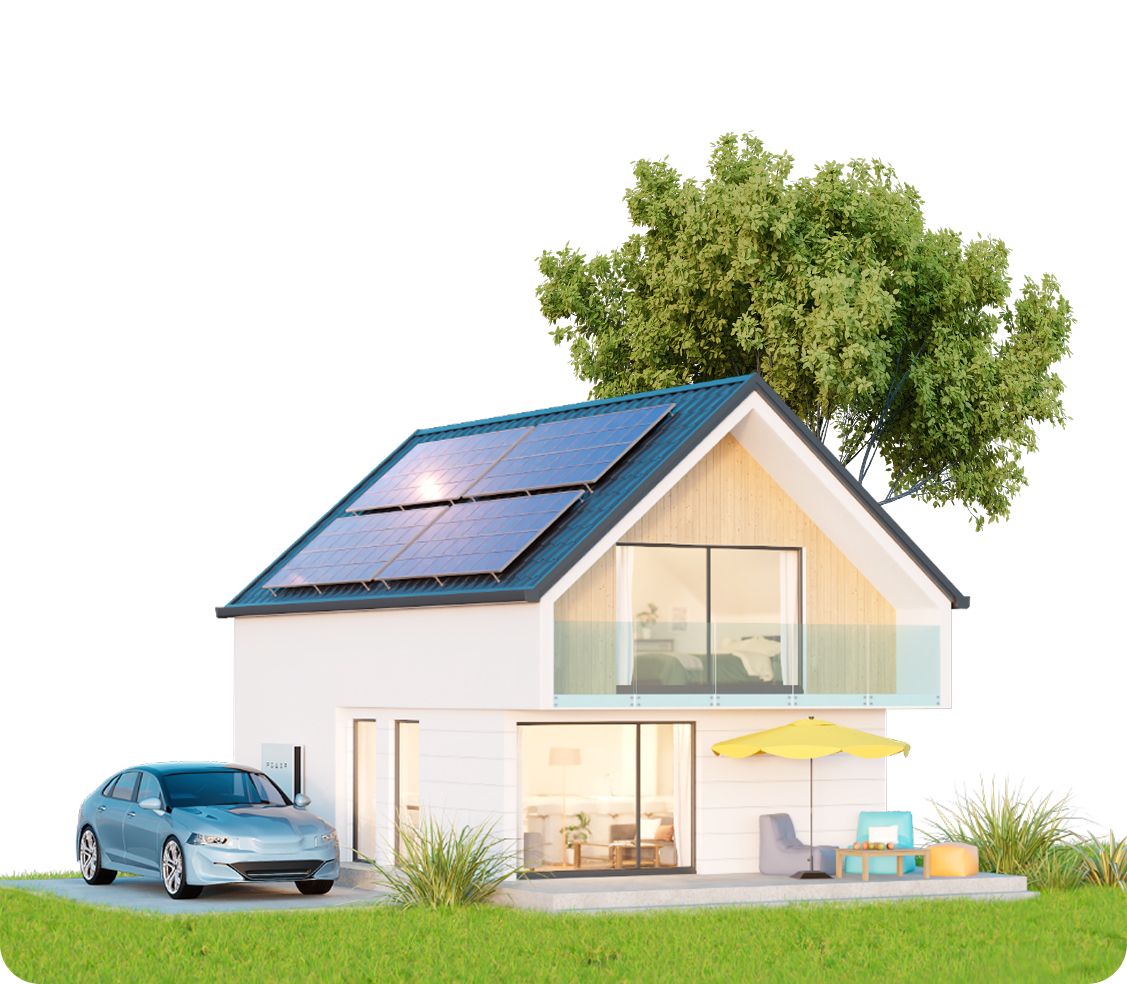
Why go solar?
The sun is a reliable, renewable energy source. As demand for sustainable energy and energy independence grows, solar is becoming an accessible solution for homes and businesses across New Zealand.
-

Reduce electricity bills
- Generate your own power and significantly lower your monthly energy costs.
-

Control your power
- Gain control over your energy supply and protect against rising power prices.
-

Scalable and cost-effective
- Growing financial support in NZ makes solar more accessible than ever.
-

More grid security
- Distributed solar generation strengthens New Zealand's energy resilience.
-

Reduce emissions
- Power your property with climate positive energy and reduce your carbon footprint.
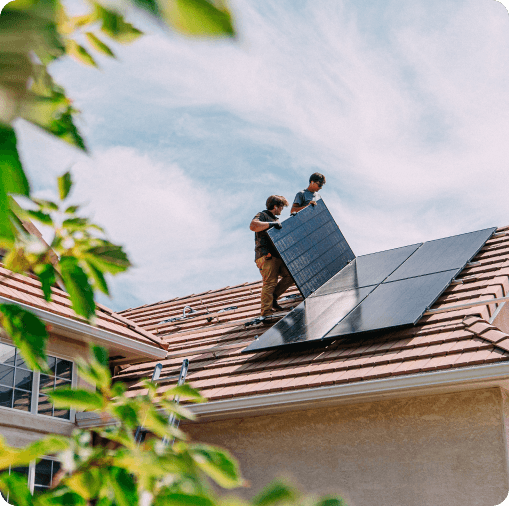
OUR PLANS
Our solar plans
Residential
- Market-leading peak buyback rate of 21c/kWh
- Off-peak export rate of 16c/kWh
- Fixed import rate of 18c/kWh low users, 17c/kWh standard users
- No fixed contracts
Commercial
- Different export rate every 4-hour period
- Up to 10-year fixed term contract
- Ideal for low peak and winter load
- Perfect for net generators
-

Customer stories
Daryl Mitchell’s Solar Journey: From Grid to Green
Discover why Daryl and his family made the transition to solar to make their everyday living more sustainable and futureproof their home's energy security.
-
Customer Stories
Mission Estate Winery Goes Solar
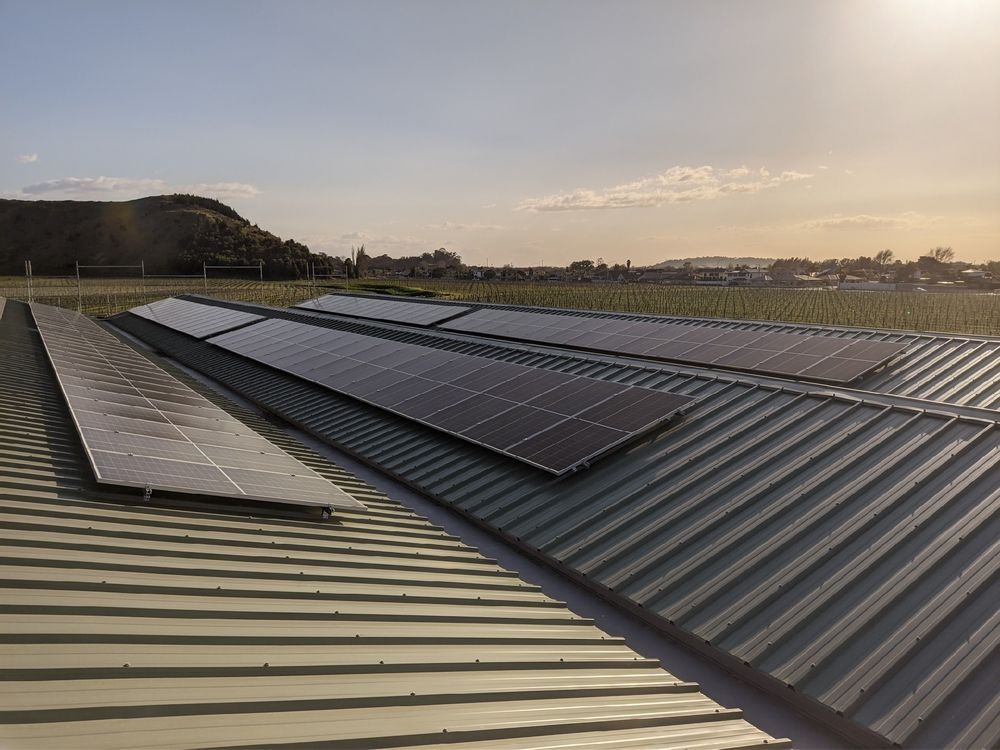
New Zealand’s oldest winery, Mission Estate Winery, has partnered with Freenergy Solar Solutions and Ecotricity NZ to install solar panels that will cover up to 35% of its annual electricity needs. By aligning solar output with peak demand, and combining this with past efficiency upgrades, the winery has already cut around five tonnes of CO₂ in its first few months of operation. It continues to top up its remaining electricity with climate positive power through an Ecotricity plan.
Our partners
You're in good company





























































What to know about solar
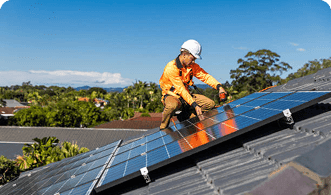
Find a trusted installer
INSTALLER MAP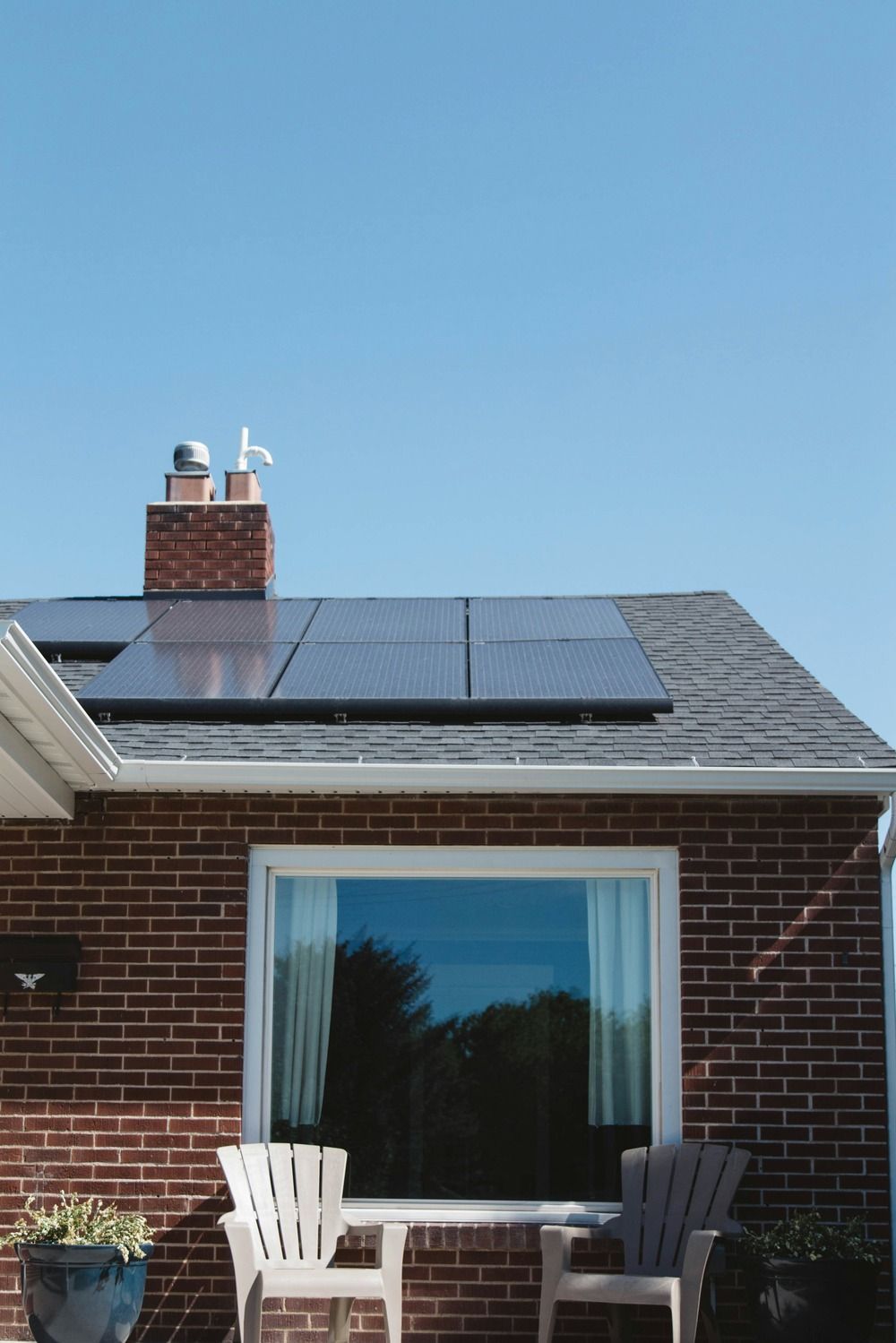
Everything you need to understand about solar batteries
READ MORE
The steps to getting a solar energy system installed
READ MORE
Ready to go solar with us?
Join 60,000+ Kiwis already powering their homes or businesses with solar.
FAQ's
Got a sunny question?
Sometimes it can take a few days for data to sync on the portal. Please wait until your next invoice to see if your data is showing.
It does not have an impact on the network charge that applies for the electricity connection, but because you use energy from your solar panels you save unit network charges (that you would normally pay per unit of electricity from the grid).
When you install solar panels, you're generating electricity that you would otherwise have to buy from the grid. That reduces your electricity import from the grid, so your bills go down. There's an upfront cost: solar systems in NZ generally cost NZ$10,000–$30,000 depending on size, usage, type, etc. Adding a battery increases cost but gives benefits (e.g. storing excess solar to use in evening or during outages). Over time, that upfront cost is “paid back” by reduced bills plus credits you get for any solar you export (i.e. don’t use yourself) to the grid. We estimate a payback period of around 7–9 years for many systems.
Also the savings are seasonal: more solar generation (hence more benefit) in summer, less in winter.
You need to have an import/export meter installed at your site. This is needed to measure both how much electricity you import from the grid and how much you export. Ecotricity arranges for this via your solar installer. Once you have that, your retailer (Ecotricity in this case) credits you for exported electricity under a buy-back/export tariff.
We don’t install panels directly, but we partner with trusted solar installers across NZ. Find one near you.